As Ambassadors, we always hope that the seeds we plant will make a positive difference in some way. When we give a prevention and awareness event on DMST we highlight the signs to look for and the importance of saying something if you see something that does not seem right. We are sure to hand out the SHI Signs of Trafficking cards and explain the Human Trafficking hotlines that are staffed 24/7. We ask the audience to program the numbers into their cell phones.
During our events, we emphasize what Law Enforcement tells us when we ask, “How can we as a citizen best help you in dealing with possible DMST?” Their response is: “Be a good witness. Notice and record and remember the details of what you are seeing.” During our events, we are sure to encourage the audience to call 911 or local Law Enforcement if there appears a need for immediate response. However, we recognize that some people may not be comfortable for whatever reason or maybe in an unfamiliar location where they don’t know the number, so the Hotline Number is good to have programmed into their phone.
Yesterday we had a call from an attendee at one of our events and he recognized the signs and called the hotline number and then called us. He was able to give them valuable information about the type and color of the vehicle, the license tag number and details of what the people looked like and what they were doing. He was in a local Walmart parking lot and observed two older males putting a young girl who was crying into the back seat of a car that had blackened windows and it appeared she did not want to get in the car.
He called me to let us know that he just made the call. I thanked him for having good eyes and taking responsible action. Since the information warranted immediate action from local law enforcement, I followed up immediately with a call and made sure they were in the loop with the information that had been passed on to the national hotline. They had not received the information yet, so I gave them the number of the friend who had observed the incident and had the details.
They contacted him right away and were able to quickly determine that the license plate number was not a valid number, and they took action to view the parking lot video for additional details to follow up.
I did not want to assume that local Law Enforcement had this critical information, so the follow-up was the right course of action. My friend who had viewed the incident thanked us for helping him know what to look for and to be able to help.
We don’t know the final outcome but trust that the information and action made a difference and could have saved a young girl’s life.
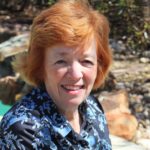 Dr. Kim Robinson taught at Midwestern State University for several years including in the Study Abroad Program in London, England for 5 summers. While working in a private psychiatric hospital, she worked on a military unit and specialized in PTSD. She then worked for all 4 branches of the military until May of 2019. She currently is a “train the trainer” and consultant for the Catholic Diocese of Fort Worth for Child Sexual Abuse and Sex Trafficking. She has served as an ambassador for Shared Hope International for a year. She is now working for Ranch Hands Rescue, (RHR) a sanctuary for abused and neglected humans and animals, and where animal-assisted therapy is used when appropriate. RHR will open the first safe house for male victims of sex trafficking between the ages of 18 and
  Spiritual Success through Daily Prayer
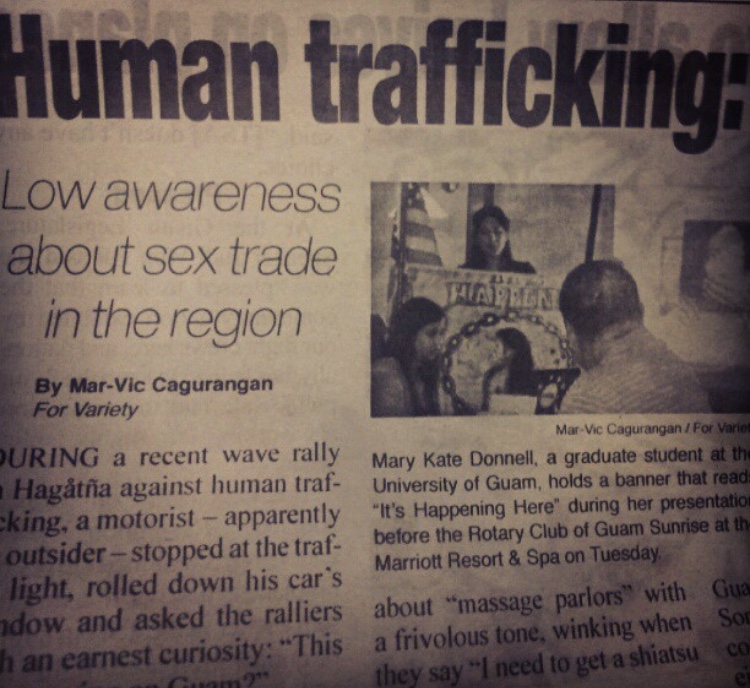
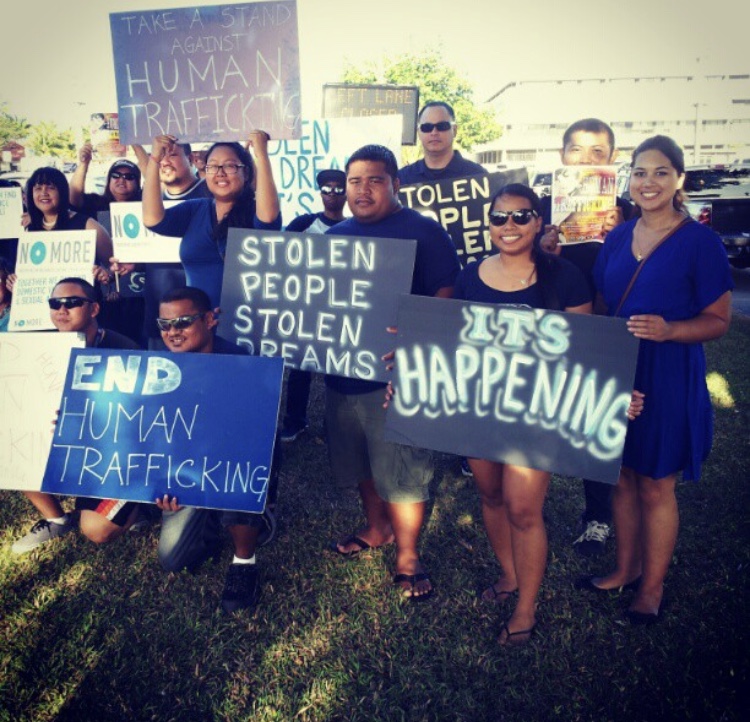 After hearing about the first known human trafficking case on Guam, I felt called to do something. I empowered others to spread awareness, volunteered as a victim advocate, and started a fund for survivors. I stood alongside students, local leaders, and members of the community at main intersections in Guam with a message saying, “It’s Happening”. This prompted people to ask what was happening and we would proceed to explain that human trafficking exists. We worked tirelessly to meet with local Rotary Clubs and Politicians to discuss the myths that often surround human trafficking, how to support survivors, and resources to educate others. I volunteered to assist the US Attorney of Guam and the local Human Trafficking Task Force. It was during our trip to Palau where I first met former Congresswoman and founder of Shared Hope International, Linda Smith. I was amazed at the work she was doing globally and continue to support her efforts to this day. As a soldier, I was able to help establish a Human Trafficking Task Force outside of Fort Detrick, Maryland. Throughout my career as a soldier, I coordinated training for hundreds of military personnel on the impact and signs of sex trafficking.
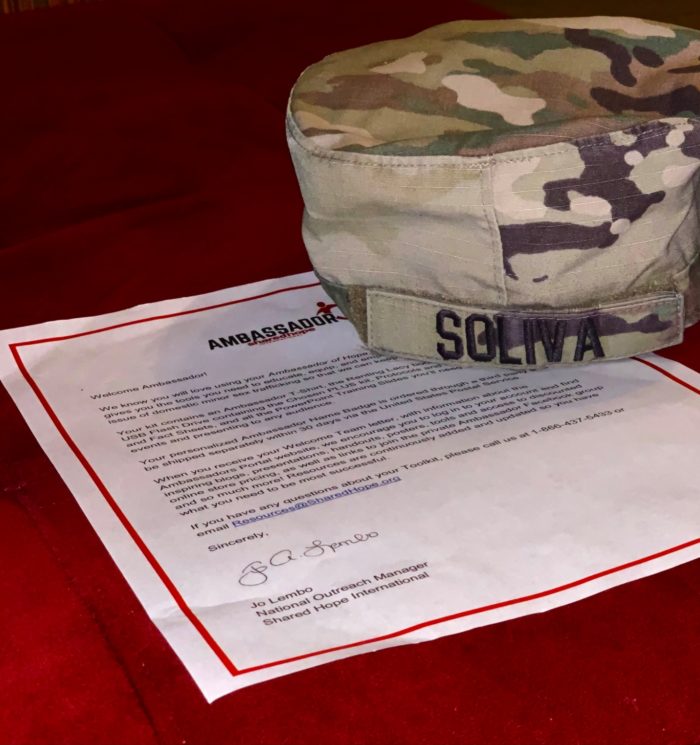
 What if you had the resources to conduct training with those in your local community? If you are in the military, will you take the opportunity to train other servicemembers about human trafficking? Many of us lead busy lives, but there is a way to support and get involved in the fight against human trafficking. As a volunteer Ambassador of Shared Hope International, I provide knowledge and training to other servicemembers and my community. I am just one person but imagine how much more we could accomplish if we all answered the call to stop the demand of sex trafficking. While I was deployed, I had the privilege of providing awareness about human trafficking to fellow servicemembers and the host nation. Having a conversation is a great start in prevention and it could make all the difference to someone. This is not a fight just for those wearing the uniform, but a call to serve for everyone around the world.
 Things you can do right now: