Guest Post by Ashley Macdonald
While anyone can become a victim of human trafficking, Shared Hope recognizes that traffickers target susceptible individuals. Financial instability is among the vulnerabilities that can aid a victim to fall in to the horrors of human trafficking. Shared Hope International’s Women’s Investment Network (WIN) program offers women the opportunity to engage in hands-on vocational training, leadership development, and job skills courses so they build self-esteem and achieve financial independence.
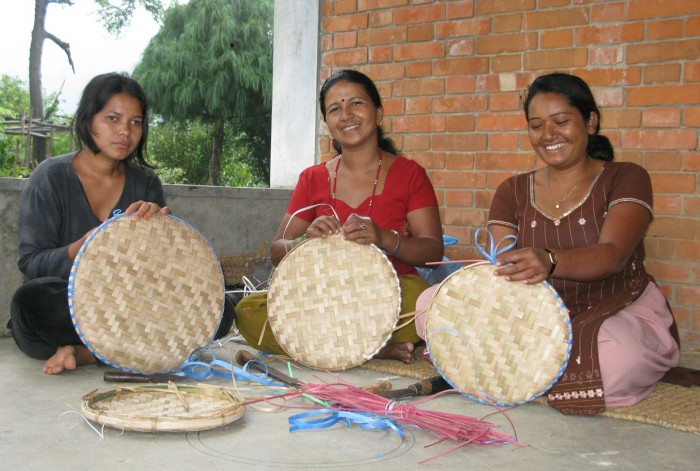
International training programs are active in Nepal, India, and Jamaica. Agriculture is the mainstay of Nepal’s economy, therefore Asha Nepal’s programs include vegetable, cow and coat farming as well as tailoring, cooking, and handicrafts. In India, Ashagram provides a range of handicraft services to fit the diverse economy. Ashagram includes a sewing center, jewelry unit, bag weaving and henna design. These programs contribute to positive integration into the global economy. In Jamaica, the economy is dependent on services. Remittances and tourism account for 30% of GDP, therefore the Theodora Project focuses on appropriate skills training that meet the demand within the tourist sector. These programs enable the student to acquire the skill set to start a small business. The WIN program looks at how providing these services can address Jamaica’s large-scale unemployment rate.
Domestically, Shared Hope runs a nine-month three-phase WIN program that focuses on computers and administrative skills. Women in the program commit 20-25 hours a week to train on-site. Shared Hope International looks for partners that emphasize the importance of helping survivors gain financial independence, reflecting the principals of our WIN program. For example, Fields of Hope, a project of On Eagles Wings Ministries, allows female survivors of human trafficking (ages 16 and up) to receive valuable job skills training, spiritual mentorship, counseling, and accountability.
Sara, a participant of our domestic WIN program, states, “I gained the confidence I needed to believe I really would be able to support my son and myself. Being part of an organization that rescues women around the world while at the same time becoming better equipped for a career has been one of the most rewarding experiences of my life.” These programs have empowered women worldwide. Marcia, a participant of the Theodora Project, tells us of how her financial instability led her to fall in to the horrors of human trafficking. She has been working on her financial independence for over a year now with the help of our Jamaica WIN program. Providing survivors with the skills and means of creating their own economic sustainability helps reduce the risk of re-victimization and gain independence.
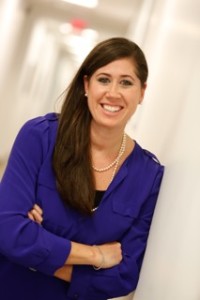 Shea M. Rhodes, Esq. is the Director of the Institute to Address Commercial Sexual Exploitation (CSE Institute) at Villanova University School of Law. Throughout her career, Ms. Rhodes has worked with survivors of sexual violence, human trafficking, prostitution, and commercialsexual exploitation,including operating her own law practice where she represents victims and survivors. She also serves as an advisor to multiple criminal justice initiatives focused on addressing the needs of child and adult victims of human trafficking and commercial sexual exploitation. Prior to her work with the CSE Institute, Ms. Rhodes served as an Assistant District Attorney for the City of Philadelphia for almost ten years where she helped to found Project Dawn Court, a diversion program for women who have been repeatedly charged and convicted of the crime of prostitution, a primary mode of sex trafficking, and developed a Law Enforcement Working Group to facilitate collaborative investigation and prosecution of cases of human trafficking between local, state, and federal agencies in the Philadelphia region. Before joining the District Attorney’s office, Ms. Rhodes served as a staff attorney for the Crime Victim’s Law Project where she provided legal assistance and advocacy for adult and child victims of rape, sexual assault, and stalking.